
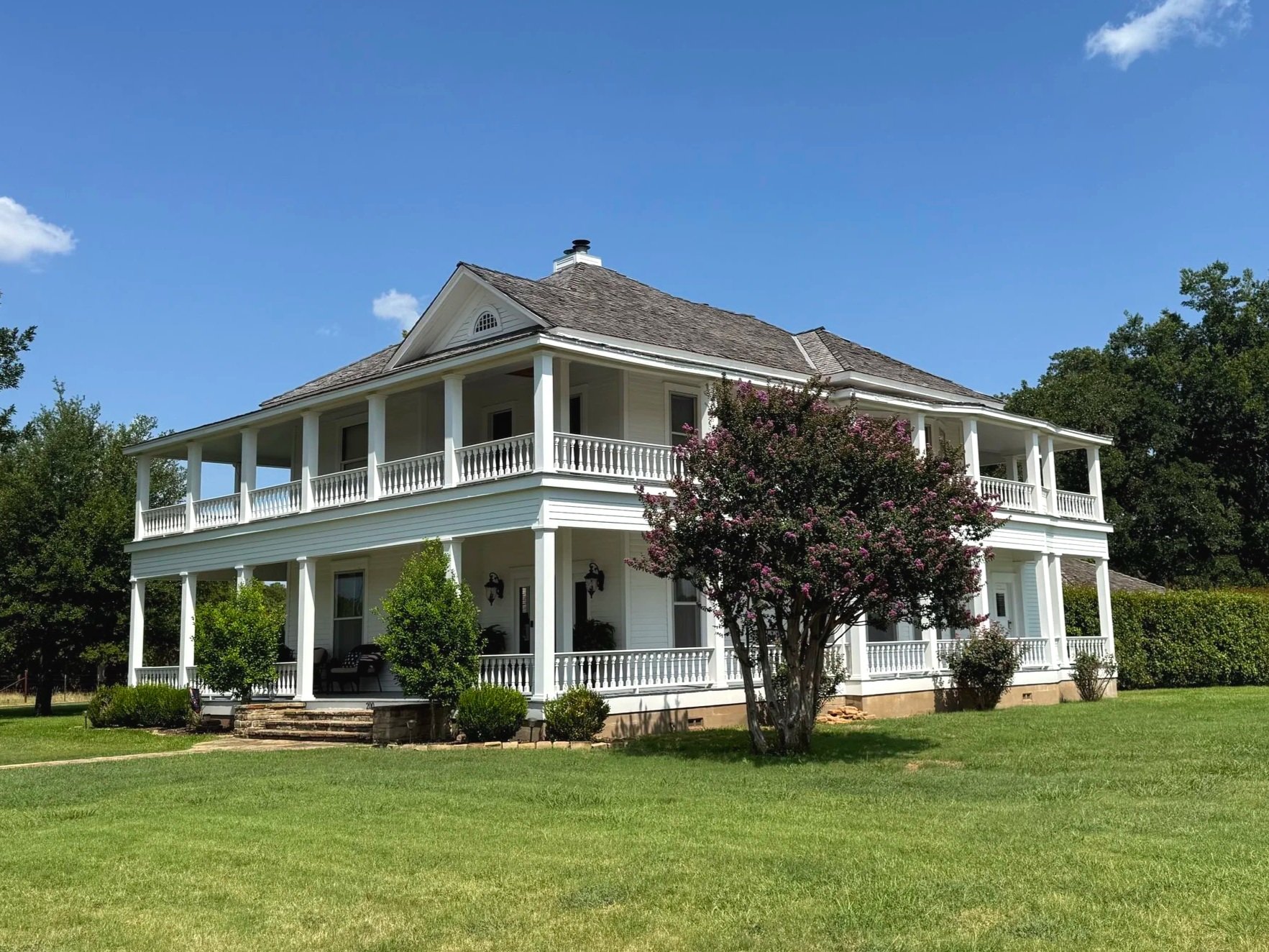
The Phillips House
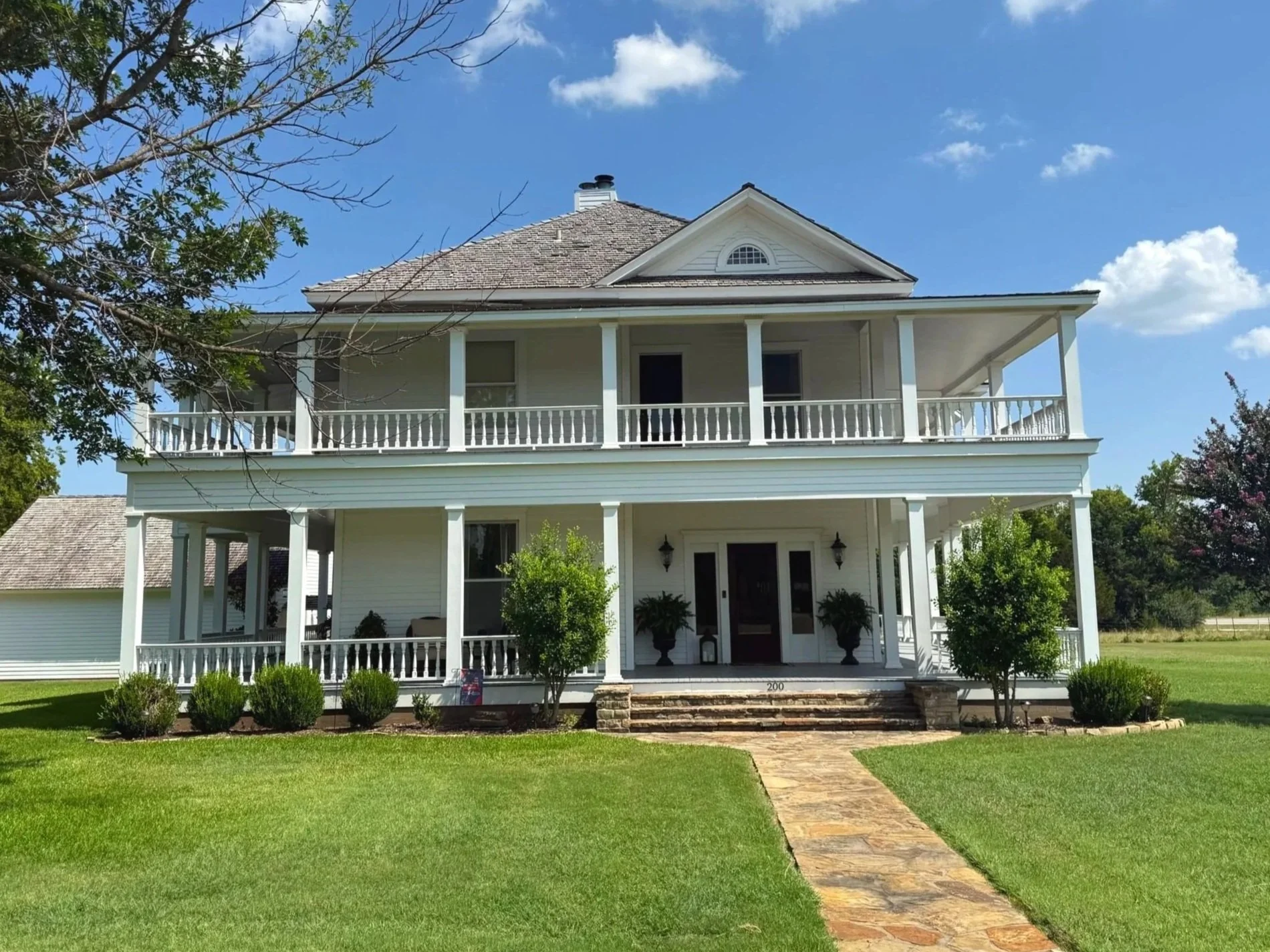
Built in 1913 by G.W. Phillips. The house sits at the front edge of Phillips Ranch.
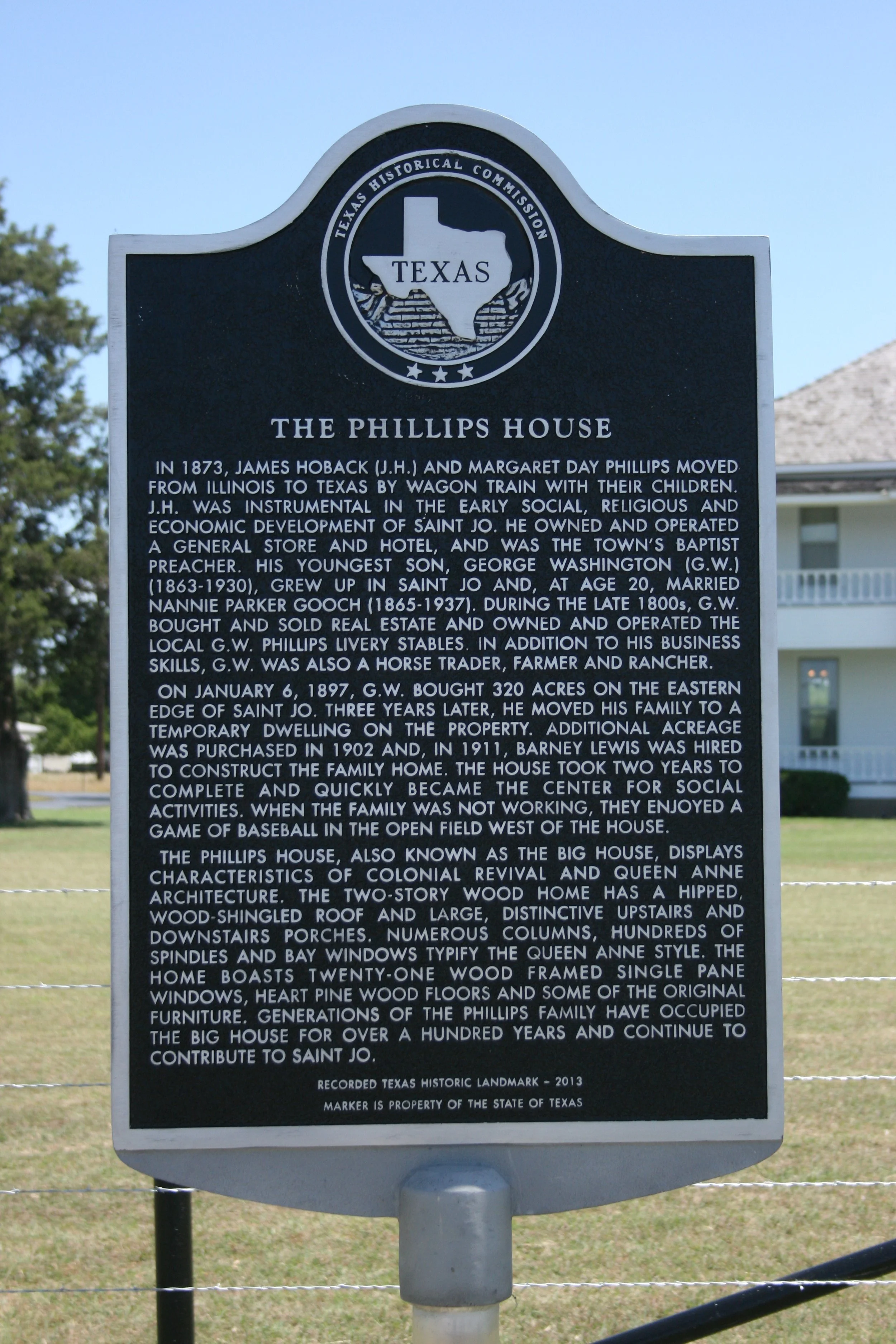
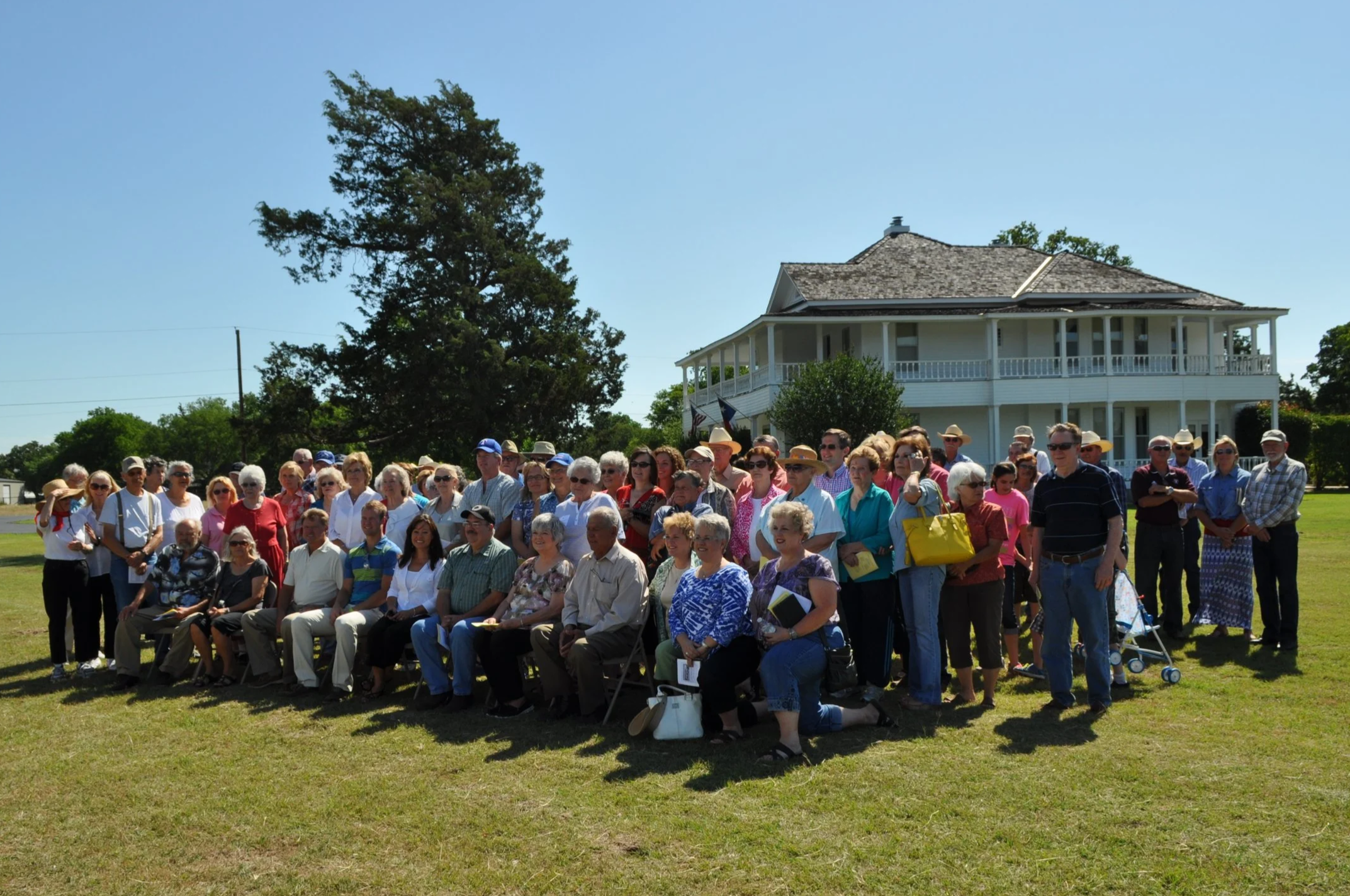
The house received a Recorded Texas Historic Landmark in 2013.
Phillips Ranch received the Family Land Heritage Award in 1999.
The house and property have remained in the Phillips Family for five generations.
The house has been in numerous articles and a host to numerous gatherings, tours and photo shoots.
The Phillips House Recorded Texas Historic Landmark
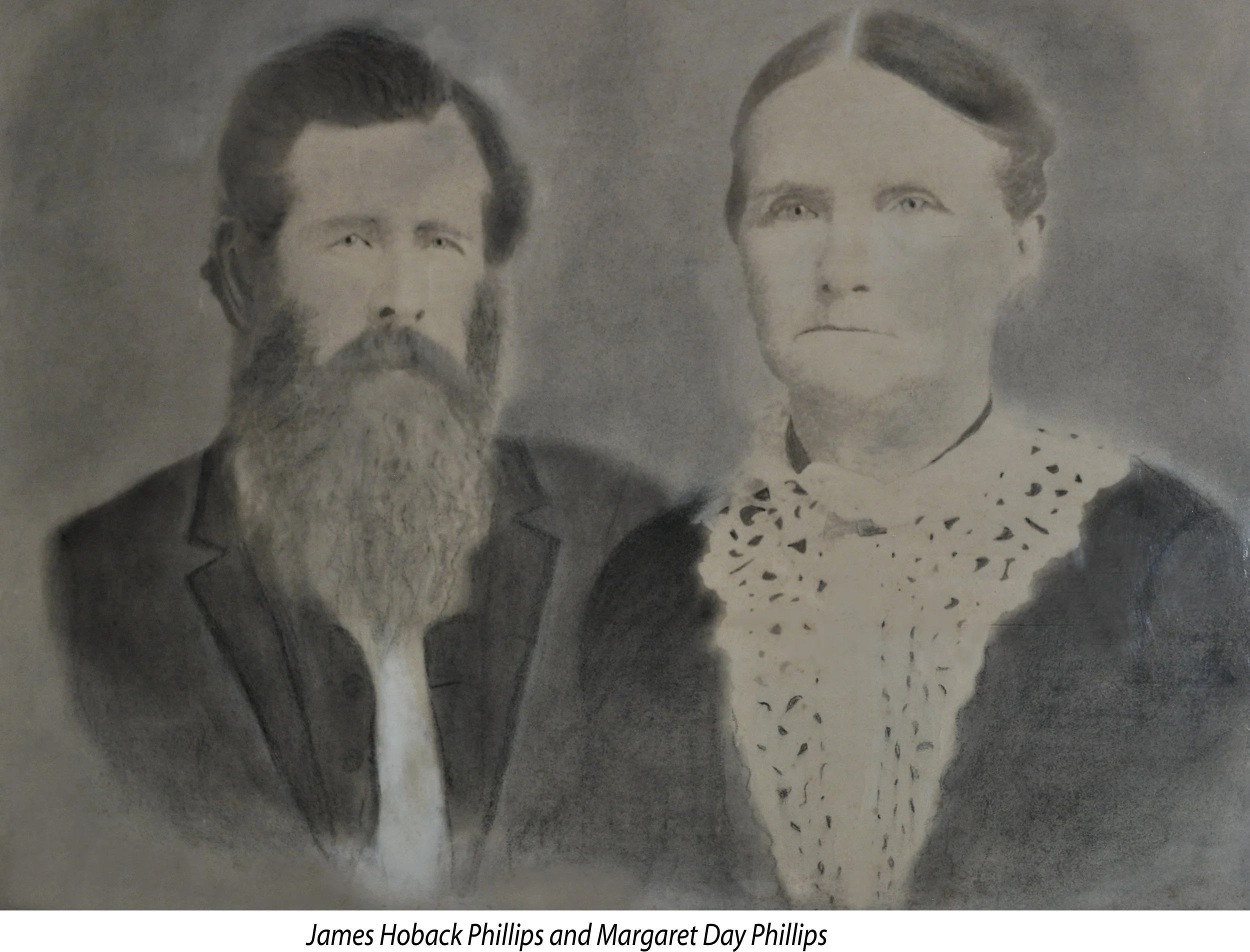
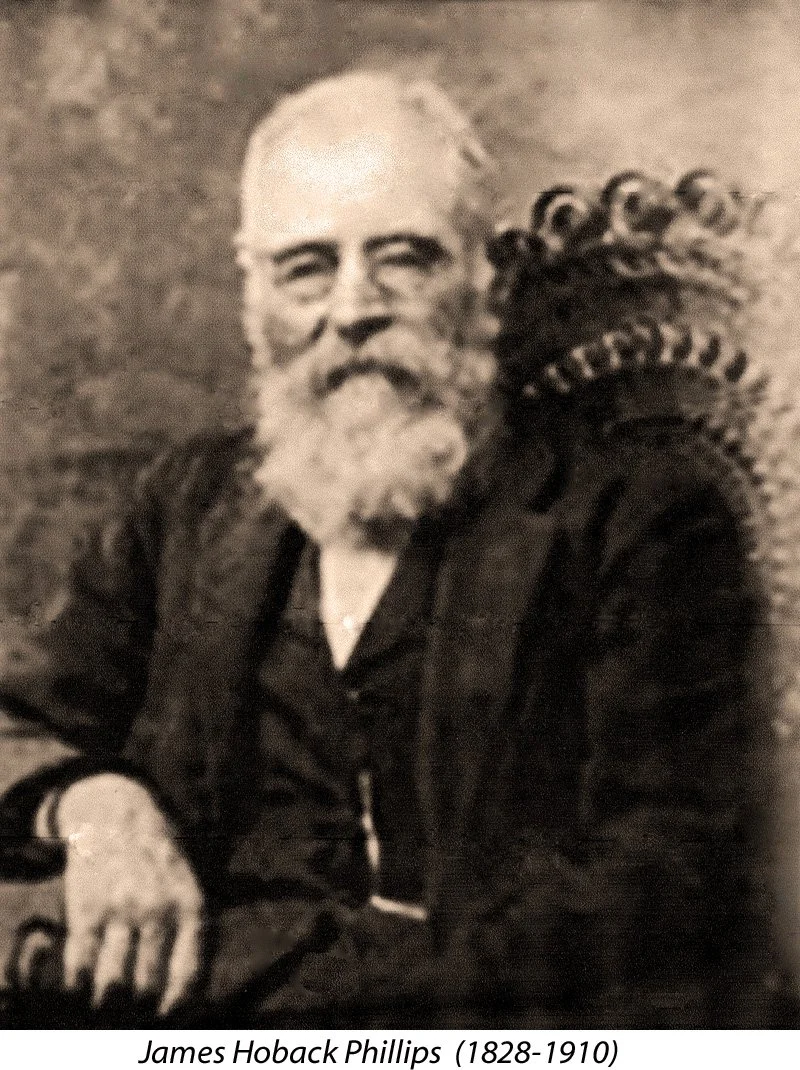
In 1873, James Hoback (J.H.) and Margaret Day Phillips moved from Illinois to Texas by wagon train with their children. J.H. was instrumental in the early social, religious and economic development of Saint Jo. He owned and operated a general store and hotel, and was the town’s Baptist preacher. His youngest son, George Washington (G.W.) (1863-1930), grew up in Saint Jo and at age 20, married Nannie Parker Gooch (1865-1937). During the late 1800’s, G.W. bought and sold real estate and owned and operated the local G.W. Phillips Livery Stables. In addition to his business skills, G.W. was also a horse trader, farmer and rancher.
On January 6, 1897, G.W. bought 320 acres on the eastern edge of Saint Jo. Three years later, he moved his family to a temporary dwelling on the property. Additional acreage was purchased in 1902 and, in 1911, Barney Lewis was hired to construct the family home. The house took two years to complete and quickly became the center of social activities. When the family was not working, they enjoyed a game of baseball in the open field west of the house.
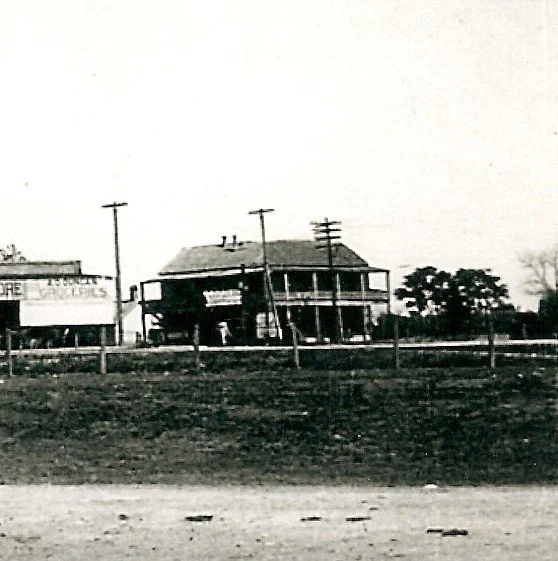
The Phillips House, also known as the Big House, displays characteristics of colonial revival and queen anne architecture. The two-story home has a hipped wood-shingled roof and large distinctive upstairs and downstairs porches. Numerous columns, hundreds of spindles and bay windows typify the queen anne style. The home boasts twenty-one wood framed single pane windows, heart pine wood floors and some of the original furniture. Generations of the Phillips Family have occupied the Big House for over a hundred years and continue to contribute to Saint Jo.
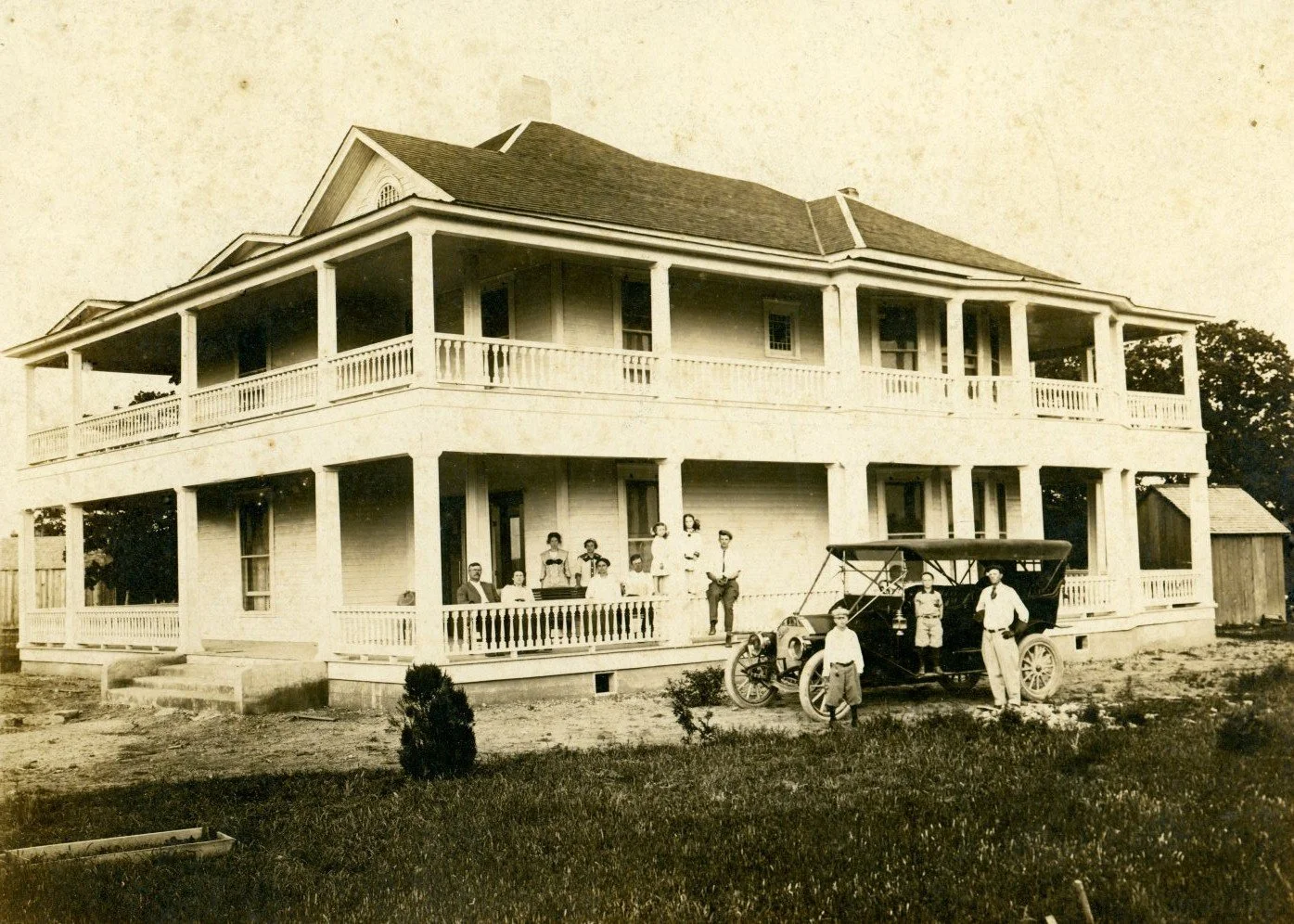
The Phillips House about 1913
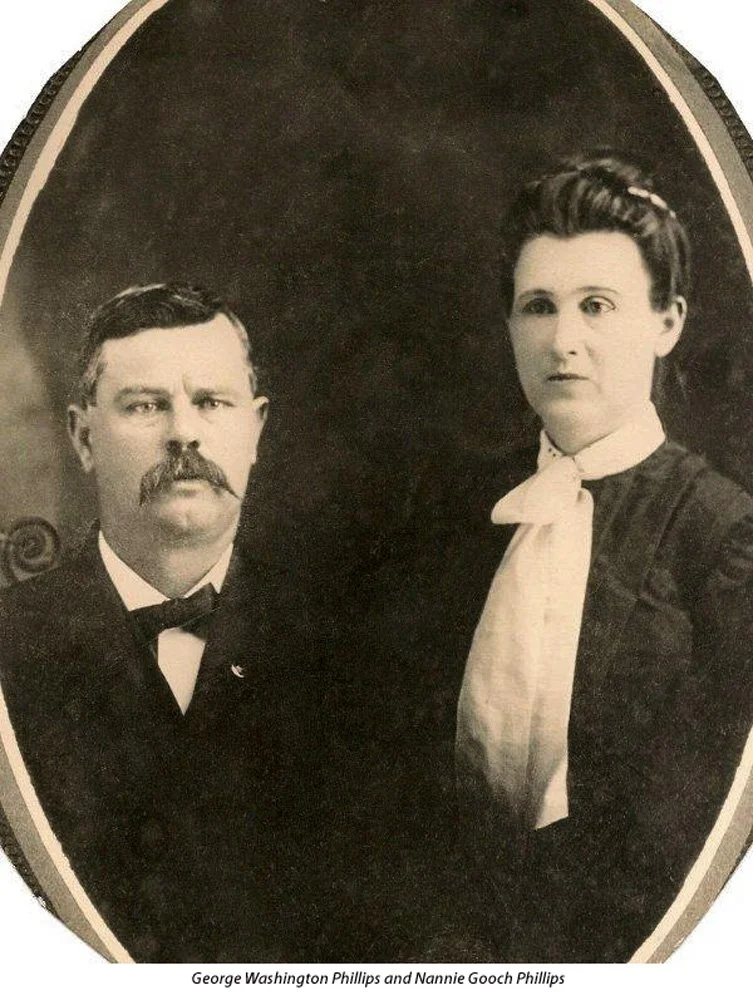
G.W. and Nannie Phillips

G.W. Phillips Livery Stable late 1800's
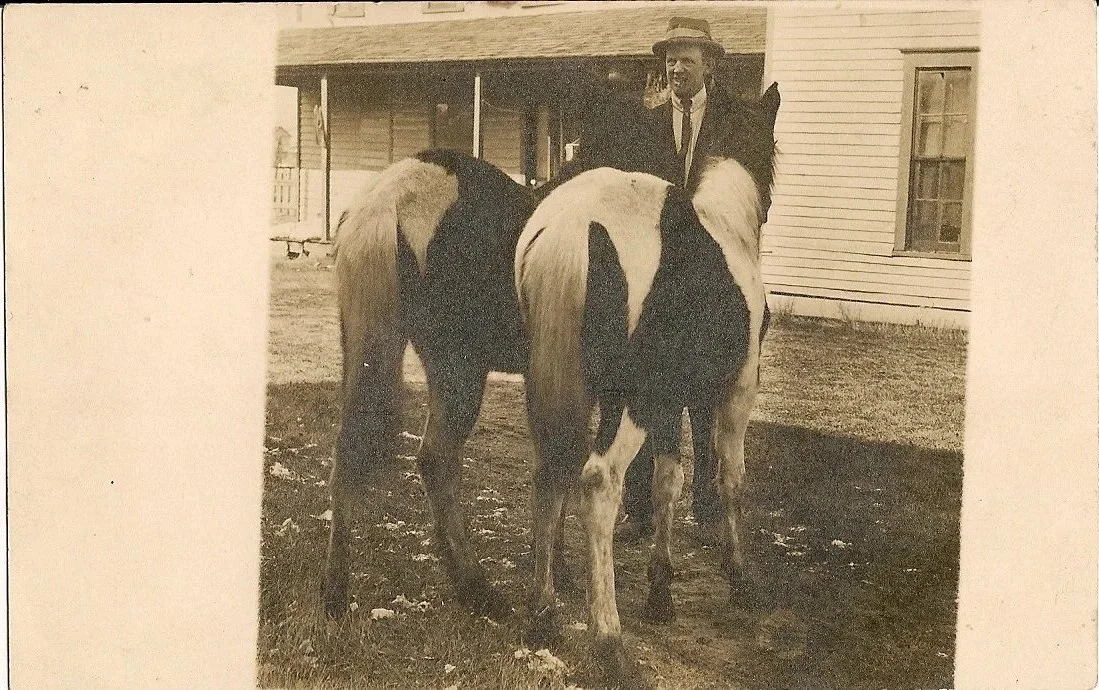
Arthur Phillips
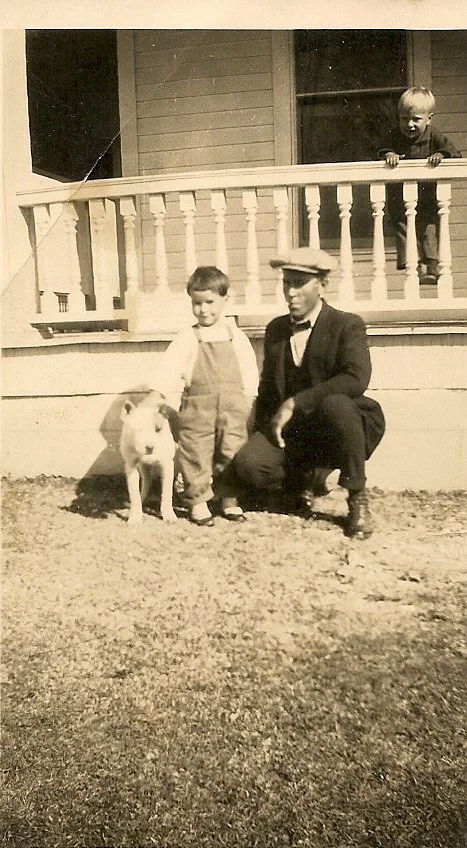
John Jr, John Saffell, Billy Phillips on porch
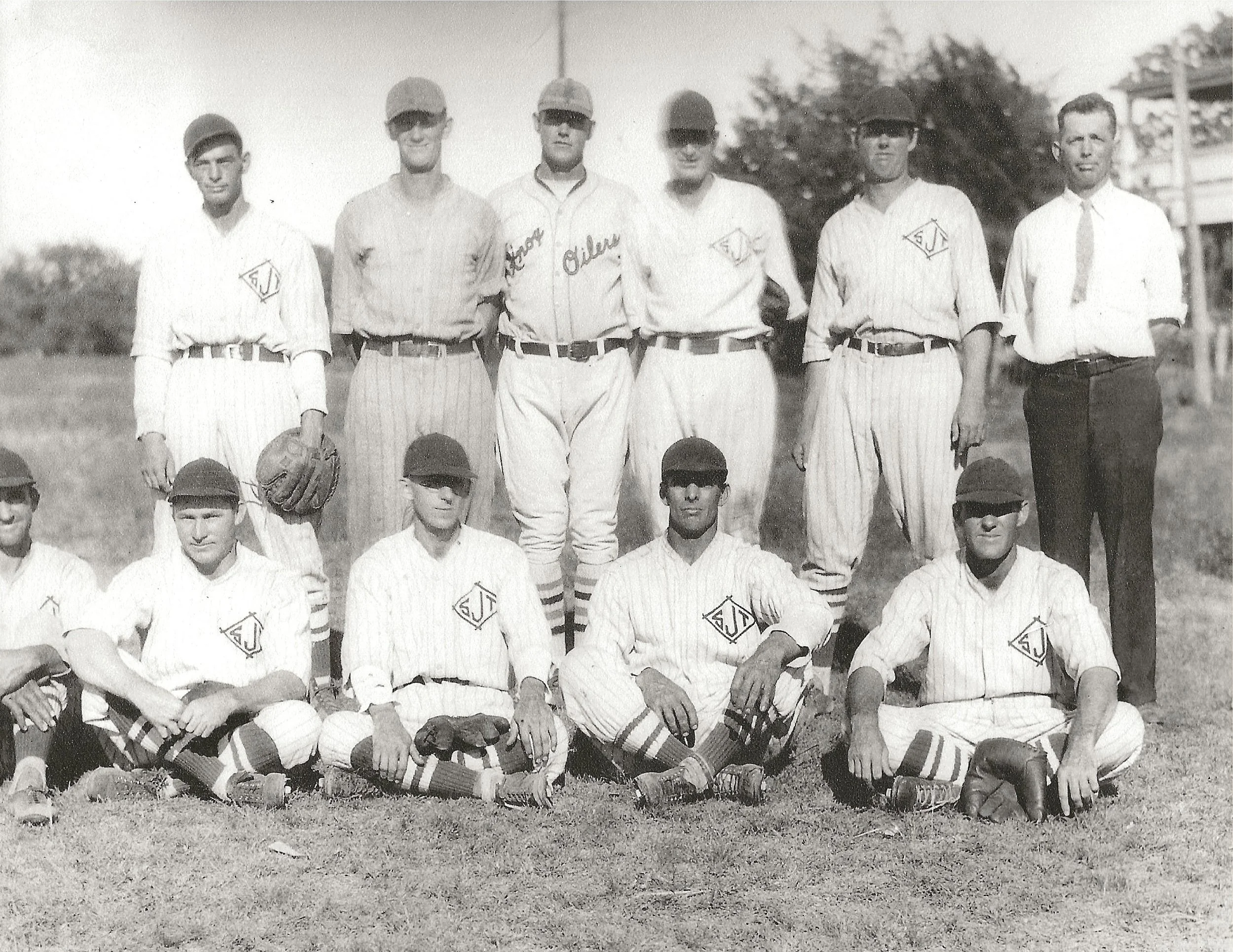
Baseball played in Phillips pasture
J.H. Phillips Hotel
The Phillips House
”The Big House”
Written by Kim Phillips for the application of a Recorded Texas Historic Landmark, 2013.
The Phillips House sits off of US Highway 82 just outside the Saint Jo City Limits. The town of Saint Jo, Texas, is the oldest town in Montague County. It is where the Chisholm Trail cut the California Road bringing cowboys, cattle, and early settlers to the area. The Phillips House was built in 1913 facing the downtown square on a large plat of land. The large two-story white all wood house stands out with its upstairs and downstairs wrap around porches. When US 82 was constructed in 1936, it split the family land and passed right by The Phillips House. It is viewed daily by the hundreds of cars that pass by. Many stop to take pictures or just look. The house and property have remained in the Phillips family for four generations.
The Phillips House was built by George Washington Phillips (G.W.) who is the Great Grandfather of Leeton Joelyn Phillips who has lived in the Phillips House since 1996. G.W. was about ten years old when he moved from Illinois to Texas by wagon train with his parents, James Hoback and Margaret Day Phillips. It took them about two months to get to Texas from Illinois. James Hoback Phillips (J.H.) was from McMillen County, Tennessee and was born on April 29, 1828. Margaret Day Phillips was from Surry County, North Carolina and born on September 4, 1827. George was the youngest son and eighth of twelve children born to J.H. and Margaret. He was born on April 8, 1863 in Illinois. [i] After traveling to Texas, the family lived one year in Whitesboro before moving to Saint Jo in 1873. The Phillips family was one of the early settlers that helped develop Saint Jo. J.H. was instrumental in the early social, religious and economic development of the town. He was a Baptist preacher[ii] and owned and operated a general store and a hotel. J.H.’s daughter, Leona Alice Phillips Ross, reported that preaching services were held in the saloons in the early 1870’s. J.H. would take his gun and place it near his Bible when he held preaching services. The gun was there just in case the Indians attacked. J.H. was the preacher at the Saint Jo First Baptist Church from 1875 to 1889.[iii] He built the City Hotel in 1876 at the corner of Main and Boggess on the public square of Saint Jo. He sold the hotel in 1881 and the name was changed to Saint Jo Hotel. In the early 1900’s the upstairs of the hotel was converted into an Opera House where townspeople enjoyed plays, musical programs, readings, one-act plays and other entertainment.[iv] J.H. also operated a general store in the late 1800's, located next door to the First National Bank which is now First State Bank.
G. W. Phillips grew up in Saint Jo. At age 20, G.W. married Nannie Parker Gooch. Her family came to Saint Jo from FanninCounty near Sherman. William Lawson and Mary Cox Gooch had six children. Nannie was the second of four girls and two boys. The Gooch family had a hotel across from city hall where the old Saint Jo lumber Company is now located. G.W. and Nannie were married in Saint Jo at the Presbyterian Church on November 16, 1883 by the officiating minister, Rev. James Anderson.[v] G.W. and Nannie had their first of ten children a year later. Their children were Lester, Arthur, Ralph, Eva (died in infancy), Fred, Pearl, Mae, Leeton “Doc”, J.H. “Dutch”, and Nellie. All except two of these are buried at the MountainParkCemetery in Saint Jo.[vi] All the children grew up and attended Saint Jo's first brick school, commonly known as “Knowledge Knob”, located on the north edge of town near the old gin. This author has many of the school books the children used. There names were penned in the books and many of the books have more than one name, indicating that the books were used and then passed down to a younger sibling.
G.W. was also instrumental in the early development of Saint Jo. He bought and sold real estate and for a number of years during the late 1800’s, G.W. owned and operated the local G.W. Phillips Livery Stables. It was located where the Saint Jo City Hall is now located. He had buggies, wagons, hacks, horses and mules for hire. It was during this time that his ‘trading skills’ were developed. His son Arthur told that his dad once traded a span of mules for quite a number of acres of land. No doubt, the buyer needed the mules worse than he needed the land. One of the daughters, Mae Gambell told that her daddy could trade a man out of the clothes he was wearing and the man would walk away feeling good about the deal, in his long johns. G.W. was also a horse trader, farmer and rancher. He is one of the signatures on the city document approving the survey that laid out the town in March of 1886. He was an active member of the Masonic Lodge, as noted in the early Mason meeting minutes. He, like his father, was a community leader, active in his church, and contributed to the economic development of the town.
On January 6, 1897 G.W. bought 320 acres for the sum of $4,000 on the eastern edge of Saint Jo.[i] This land is where G.W. later built the Phillips House. In about 1900, he moved his family from near the railroad track on the northeastern side of town to a dwelling on the new property at Main and Derby Streets. When he bought his farm and ranch property; it was open prairie with little or no fences. Chores included building fence, plowing, feeding animals, milking, cutting wood, planting and harvesting crops of corn and cotton. When G.W. didn’t have the boys working, they enjoyed the sport of baseball. The sport was played on a field west of the house where Highway 82 is now located. This brought spectators from throughout the area and further added to community involvement. When the highway was built it cut through the baseball field, so it was relocated across the highway from the house. In 1902, G.W. bought 640 acres for $6,000. This property has remained in the Phillips family for over 100 years.
In 1911, at age 48, G.W. hired Barney Lewis, a local building contractor to build the Phillips House in a cluster of oak trees at the far end of South Main Street.[ii] The highway had not been built so the house was situated facing downtown and surrounded by Phillips property. The house took two years to build and was finished in 1913. The house was built to last, providing a home for generations of Phillips families. During this same time period, many buildings and homes were built in Saint Jo. Saint Jo was becoming the center for social and economic growth and activities.
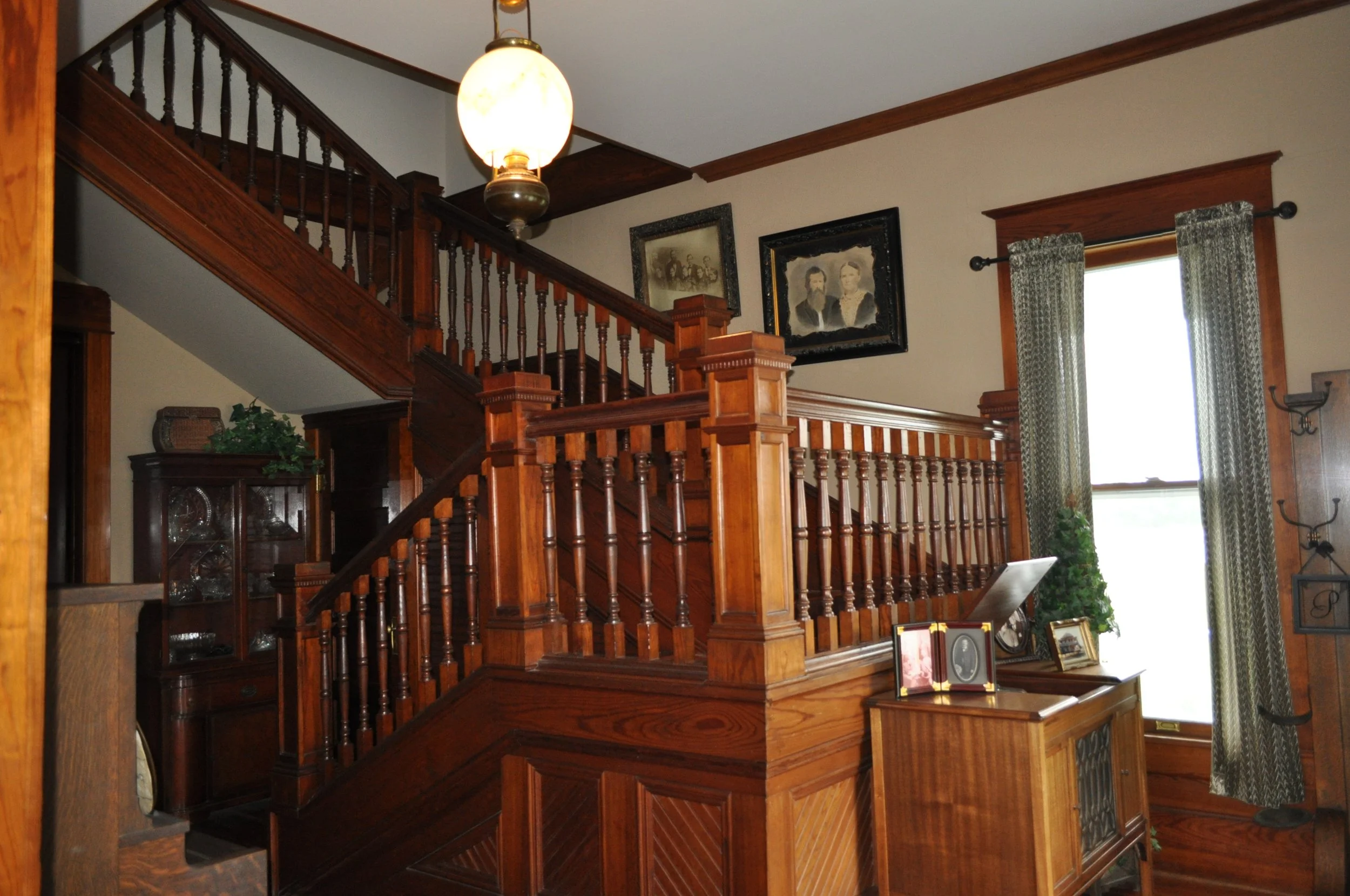
The Phillips House has many characteristics of both a Colonial Revival and Queen Anne style which were typical of the time period. It is two stories, has a hipped wood shingled roof and a front facing gable over the entrance. The house has an asymmetrical facade, large distinctive upstairs and downstairs porches that wrap three-fourths the way around it, numerous columns and hundreds of spindles, and an upstairs and downstairs bay window which are more characteristic of a Queen Anne style. The porches alone are 1,500 square feet. The pier and beam house was constructed with a mortar block base. Rocks were stacked under the house for support and wood stays were used for additional support. The house was constructed of all wood. The exterior siding is overlapped beveled cypress siding. The porch ceilings are pine bead board and the porch floors are tong and groove pine. It has eight exterior doors, four upstairs and four downstairs, and twenty-one wood framed single pane windows with weights. The house has nine rooms, two baths and three fireplaces. It has wood floors throughout all of the house both upstairs and down made of heart pine. The downstairs ceilings are eleven and a half feet tall and the upstairs ceilings are eight and a half feet tall. There are four large pocket doors and a beautiful staircase also made from heart pine wood. The house was originally heated with woodstoves and three fireplaces. Water was supplied by a well near the house and a well with a windmill. To light the house, gas lights and coal oil lamps were used until electricity was added in 1918. Plumbing was added in the 1920’s and natural gas was added in the early 1950’s. About the time the house was completed, G.W. went by train to Sherman to select furniture for the new home. The selections were shipped by train to Saint Jo. Many of these pieces are still in the house today.
G.W. and Nannie occupied the only downstairs bedroom while the children that were still at home divided the upstairs rooms. The Phillips boys told that summer nights could get a little hot. If it was uncomfortable indoors, they would pick up a mattress and go out on the upstairs porch where they could always find a breeze.[iii] That is true today. The G.W. children grew, left home and married. G.W. liked to keep them close and helped find them homes near the property. When they would get together, instead of saying "let's go home", they all said, "let's meet at the Big House". It's been called the Big House by all generations of the family since, as that is what they heard it called all their lives. During the depression, many of the children returned with spouse and maybe a child to the Big House. G.W. and Nannie gave them their own room and converted the back room into a kitchen by adding a kerosene cook stove. After several children returned home, G.W. began to help his kids find their own house on the property. G.W. lived 17 years in the Big House while Nannie had a 24-year tenure in her home. G.W. Phillips died on July 21, 1930 and is buried at Mountain Park Cemetery in Saint Jo. At the time of his death his estate had 1,783 acres of land. In 1933, the G.W. estate was divided among his wife and nine children. Two of the children, Arthur and Leeton 'Doc', formed Phillips Brothers and bought some additional property from their siblings to continue the business of farming and ranching. They had cattle, horses, chickens, pigs and farmed grain, corn and hay. It was not until 1936 that US Highway 82 was built, dividing the properties G.W. had accumulated into two areas.
Arthur, G.W.’s son, and his wife, Nannie Walker Phillips moved into the Big House in the late 1930’s. Nannie said they lived there 33 years. She remained one year after Arthur’s death on May 9, 1971, before moving to her house on Derby Street. The Big House stood untouched for 16 years. Billy Leeton Phillips, G.W. ‘s grandson, was also a leader in the community, a deacon at the First Baptist Church, a schoolteacher and a rancher. Billy initiated the restoration process in 1987 with a new wood shingled roof. He hired a local contractor to restore the exterior and porches. Every effort was made to maintain the historic integrity of the house. The exterior restoration was completed in 1989, shortly before Billy’s death.
Billy’s son, Leeton Joelyn and wife, Kim, started the interior restoration in the Spring of 1990. The cheesecloth wallpaper was removed, new electric and plumbing were added, and the outside walls were insulated as well as the attic. Central heat and air was also added. The walls were sheet rocked and textured, and some were wallpapered. An additional bathroom was added upstairs off of the master bedroom by converting an adjoining room into a bathroom and walk in closet. The biggest change was expanding the kitchen onto the porches and adding a laundry room. A couple of closets were also added because the house originally had none. The original wood windows and doors including the hardware were kept. All the woodwork was made from heart pine and only required a coat of varnish; fortunately, the wood was never painted. The wood floors were sanded and varnished. The beautiful staircase and four pocket doors were preserved nicely and only needed one coat of varnish. The downstairs bath contains the original pedestal tub. An attic room, used as an office and library, was added by framing up the empty space in the attic. The only original light fixture hangs in the entryway. It is a large hand painted porcelain globe that was originally fueled with kerosene and later wired for electricity. A garage constructed of beveled pine siding to match the house was added in 1995. The interior restoration was completed in February 1996. During the restoration process, countless people have stopped to inquire about purchasing the house and telling a story that they had heard about the house.
The home contains many of the original pieces of furniture purchased by G.W. Phillips. The list includes a 1916 hand-cranked Edison phonograph, a Gulbransen player piano, a tiger oak hall tree, a loveseat, six rocking chairs, a tiger oak library table, 2 dining room buffets, 3 dressers, a Hoosier cabinet and 6 large wood framed prints. Also passed down are many old pictures, postcards, legal documents, G.W.’s pocket watch and spur, oil lamps, eyeglasses, several old garments and much history. The old windmill still stands and was put back to work in 1997. The well near the house is made of all native rock and has a nice well cover like the original. Many old farm implements and planters, one a John Deer, were left around the premises. There was also a 1910 steel mule tractor. The tractor was restored and resides in a museum in Perrington, Texas.
Leeton, Kim, and their son, William moved into the Big House in February 1996. The Phillips Ranch today contains 1,051 acres and approximately 250 head of cattle. The house has been on the Saint Jo Chamber of Commerce Christmas tour of homes 5 times. Wedding pictures, Senior pictures, Prom pictures and family pictures have been taken in the exterior and interior of the house. Leeton's Mother, Gloria Phillips, was a local school teacher for 39 years and often brought her students to tour the house, sharing the history of the house and the Phillips family. She was an active leader in the community, school and church. She had a love for history and was a great moderator when the house was on the tour of homes. The house has also been a host to numerous gatherings including wedding showers and birthday parties. An article on the house was in the Wichita Falls Times Record News [i] and the Texoma Twister magazine.[ii] The house was also featured in Open Road magazine[iii] and the Houston Chronicle. [iv] Stories about the house and family have been featured numerous times in the local paper, The Saint Jo Tribune. A Phillips family reunion was held at the house in July, 1997. Leeton and Kim estimate that over 3,000 people have toured their home. In 1999, Phillips Ranch received the Family Land Heritage Award from the Texas Department of Agriculture.[v] The award honors farms and ranches which have been in continuous agricultural production at the hands of one family for 100 years or more.
Since 1873, generations of the Phillips family have played a significant role in the social, religious and economic development of Saint Jo. The Big House continues to tell their story. Countless people have told the Phillips, that when they tell someone they are from Saint Jo, they say "Do you know the people who live in that big white house on the edge of town"? Like the Phillips men before him, Leeton is a full-time rancher, school and church leader. His father who was taught by his father taught him. Leeton is now passing his knowledge down to a fifth generation, his son William, who has grown up in the house and will someday manage Phillips Ranch and follow in his families footsteps. The Phillips House has been a visible part of Saint Jo and its history for 100 years. The house stands as a constant reminder of the continued support and leadership of the Phillips family.
[i] Times Record News, Wichita Falls, Texas, Monday, July 28, 1997, Vol. 91, No. 73, page 1B Remodeling a dream.
[ii] Texoma Twister, Henrietta , Texas, Sept/Oct 1997, Vol. 2 Issue 2, pages 26-30.
[iii] Open Road by Road & Track, Spring 1998, The Bovine Beat by Tim Spell, pages 111-112.
[iv] Houston Chronicle, Houston, Texas, Wednesday, January 6, 1999, Cars & Trucks, Bovine Beat by Tim Spell, pages 2AA-3AA.
[v] Family Land Heritage 1996-1999, Texas Department of Agriculture, Susan Combs, Commissioner, page 443.
Bibliography
Colonial Revival Style - 1880 to 1960, http://www.antiquehomestyle.com/styles/colonial-revival.ht, (8 Oct 2012).
Donnell, Guy Renfro, The History of Montague County, Texas. August 1940, S.J.T. Printing Co., Saint Jo, Texas.
Fenoglio, Melvin E., ed., The Story of Montague County, Texas Its Past and Present, Montague County Historical Commission and Curtis Media Corporation, 1989.
Henderson, Jeff S. ed., 100 Years in Montague County Texas, IPTA Printers, Saint Jo, Texas.
Houston Chronicle, Houston, Texas, Wednesday, January 6, 1999.
Loftin, Jack, Complete Cemetery Census of Montague County Texas 1857-1998.
Montague County Deed Records. Montague County Courthouse, Montague, Texas.
Montague County Records, Montague County Courthouse, Montague, Texas.
Open Road by Road & Track, Spring 1998.
Phillips, Gloria J., interview by author, February 19, 1999, transcript.
Poore, Patricia, (2011), The Queen Anne Victorian Architecture and Decor, http://www.oldhouseonline.com/style-guide-queen-anne, (9 Oct 2012).
Potter, Mrs. W.R., History of Montague County, Texas, 1912, S.J.T. Printing Co. Saint Jo, Texas.
Records, First Baptist Church of Saint Jo, Saint Jo, Texas.
Queen Anne Style - 1876 to 1915, http://www.antiquehomestyle.com/styles/queen-anne.htm, (8 Oct 2012).
Texoma Twister, Henrietta, Texas, Sept./Oct. 1997, Vol.2, Issue 2.
Thompson, Norma K., Pioneer Salad Days of Saint Jo, S.J.T. Printing Co.(estimated 1978)
Times Record News, Wichita Falls, Texas, Monday, July 28, 1997.
[i] Deed Records of Montague County, Texas, Vol. 38, page 392.
[ii] Norma K. Thompson, Pioneer Salad Days of Saint Jo, S.J.T. Printing Co., Saint Jo, Texas, page 107
[iii] Gloria Phillips, interview by author, February 19, 1999, transcript.
[i]Melvin E.Fenoglio, editor, Montague County Historical Commission, Story of Montague County, Texas Its Past and Present Vol. 1 p. 694.
[ii]Guy Renfro Donnell, The History of Montague County, Texas, August 1940, SJT Printing Company, Saint Jo, July 1992, page 99.
[iii] Church Records, First Baptist Church of Saint Jo.
[iv] Norma K. Thompson, Pioneer Salad Days of Saint Jo, S.J.T. Printing Co., Saint Jo, Texas. (estimated 1978)
[v] Montague County Records, 30 Nov. 1883, page 79.
[vi] Jack Loftin, Complete Cemetery Census of Montague County Texas 1857-1998.